
Contents
The History of Rainbow Row in Charleston
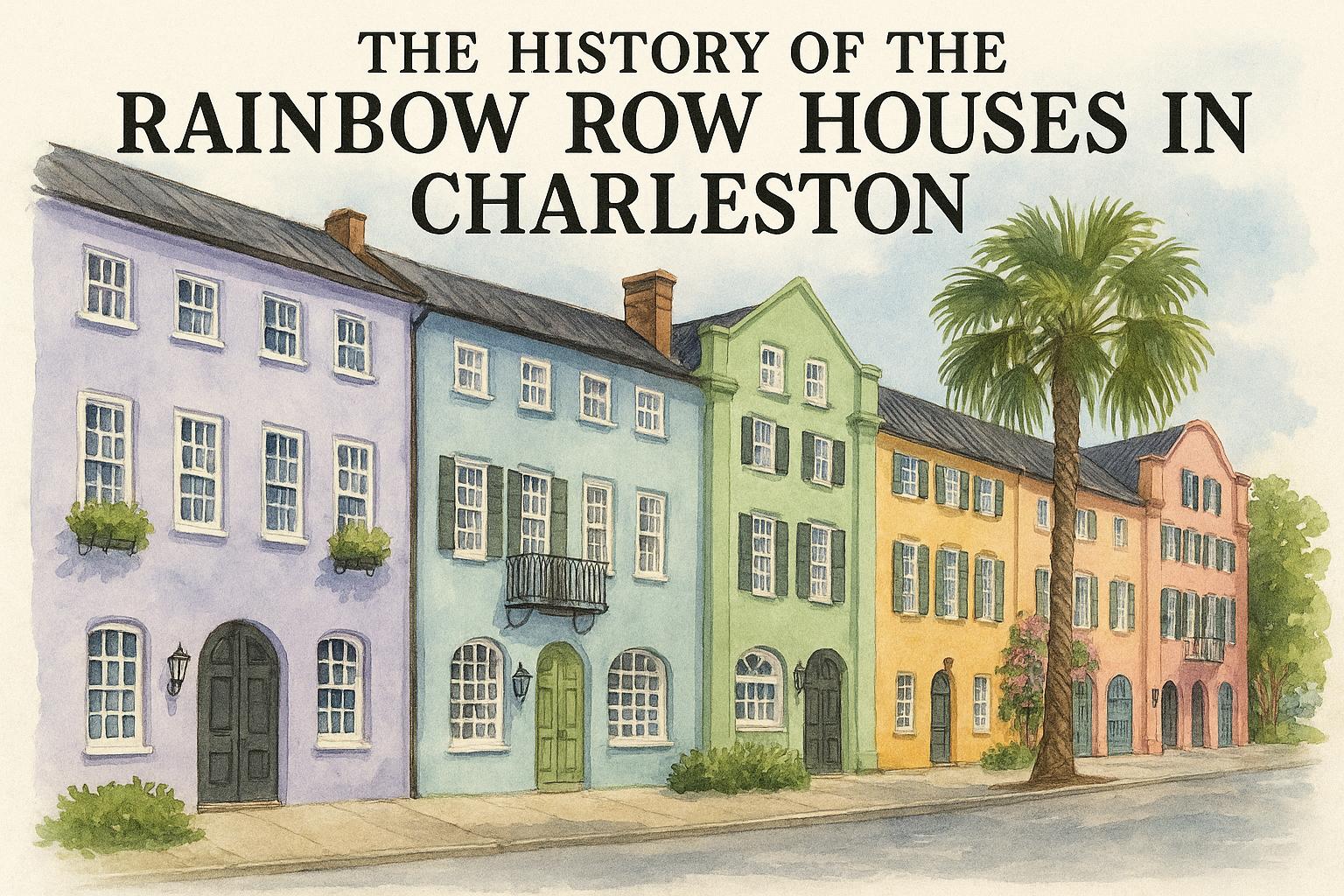
Charleston, South Carolina, is renowned for its historical richness, and one of its most iconic landmarks is Rainbow Row. This series of thirteen colorful historic houses is located on East Bay Street. These structures have come to symbolize the vibrant tapestry of the city’s history and cultural heritage. Understanding the origins, restoration, and significance of Rainbow Row illuminates the broader narrative of Charleston’s architectural and cultural evolution.
Origins of Rainbow Row
Built between the late 18th century and the early 19th century, the houses of Rainbow Row were originally created as part of Charleston’s bustling commercial district. Back then, these structures were not only homes but also made up part of the commercial life, with shops and businesses occupying the ground floors while living spaces were situated above. This dual-function design was prevalent in many parts of early Charleston, reflecting a time when commerce and residential life were closely knit.
However, as time progressed, economic challenges began to overshadow this district. The impact of the Civil War had a lasting effect on Charleston, heralding an era of economic downturns that led to widespread neglect. Many of the buildings, once vibrant with activity, fell into disrepair as the fortunes of the city faltered in the post-war period.
Restoration and Revival
The transition from neglected structures to the beloved Rainbow Row of today began in the early 20th century. The 1930s marked a turning point for these dilapidated buildings, with a revitalization effort spearheaded by preservationists. One key figure was Dorothy Porcher Legge, whose vision and determination became the catalyst for restoring these homes. Legge purchased several of the buildings and is credited with introducing the pastel color scheme that defines Rainbow Row today.
Inspired by the colonial Caribbean color palettes, the pastel hues were more than just an aesthetic choice; they represented a new beginning for these historic structures. During this time, Charleston itself was awakening to its architectural treasures. Preservation societies and other civic organizations began to recognize the historical and cultural value of restoring the city’s historic sites. This movement, driven by both a desire to preserve Charleston’s heritage and by economic motives to promote tourism and local pride, continued through the 1940s and beyond. As homeowners took part in this effort, each adopted a distinct color for their property, contributing to the unique aesthetic pattern visible today.
Why the Name “Rainbow Row”?
The transformation of these houses into a spectrum of colors naturally led to the nickname “Rainbow Row.” The vivid colors have sparked various speculations regarding their origin. A popular, albeit anecdotal, theory suggests these bright hues helped intoxicated sailors locate their lodging after a night of revelry. However, this narrative leans more toward folklore than factual basis.
A more plausible explanation involves the influence of contemporary color trends seen in Caribbean architecture. Just like the Bahamas and other regions where pastel coloring creates a cohesive visual impact, Charleston’s Rainbow Row began mimicking this lively approach—a nod to architectural styles from other colonial areas, ensuring these homes gained a new lease on life.
Rainbow Row Today
In the present day, Rainbow Row remains one of the most visited and photographed attractions in Charleston. Tourists from all over are drawn to the pastel hues that line the street, and these facades are meticulously maintained to uphold the historic charm that has captivated so many. The preservation efforts visible on Rainbow Row reflect the commitment of Charleston to maintaining its historical fabric.
Despite the modernization that has occurred within the interiors of these homes, the exteriors stand as enduring testaments to Charleston’s dedication to preserving its architectural roots. Historians and visitors alike cherish Rainbow Row as an integral chapter in Charleston’s historical narrative. The spectrum of colors continues to draw attention, both for its beauty and for the story it encapsulates about Charleston’s evolution over centuries.
For anyone keen on exploring or learning more about Rainbow Row, resources abound at local museums and historical centers. These venues offer insights into not just Rainbow Row but also the extensive array of architectural gems that Charleston holds within its folds.
In conclusion, Rainbow Row remains a vibrant reminder of the layers of history embedded within Charleston. The colorful facades tell a story not just of restoration but also of the city’s commitment to cultural preservation. As a testament to past and present efforts, Rainbow Row continues to shine with significance against the backdrop of Charleston’s rich history.