
Contents
The Historical Significance of Forbidden City Residences
The Forbidden City, located in the heart of Beijing, has been a critical site in Chinese history. It was the imperial palace of China for almost 500 years, during the reign of the Ming and Qing dynasties. The residences within the Forbidden City, beyond their architectural grandeur, played crucial roles in the governance, culture, and daily life of those periods.
Architectural Layout and Its Symbolism
The Forbidden City’s layout, including its residences, reflects the Chinese philosophical principles of harmony and hierarchy. The design emphasizes axial symmetry, symbolizing the centrality of the emperor’s rule. The residences were not merely living spaces; they were strategic components within a meticulously planned architectural ensemble.
The main residences were aligned along the central axis of the complex, highlighting their importance. The placement of each building was carefully considered to reflect the status and rank of its inhabitants. This arrangement underscores the Confucian ideals of order and balance that were integral to imperial governance.
Residences of the Emperor and Empress
The main residential area for the emperor was the Palace of Heavenly Purity (Qianqing Gong), a complex space where state affairs were often conducted, reflecting the seamless blend of personal and political roles in the emperor’s life. The emperor’s abode symbolized ultimate authority and was the nerve center of imperial power.
The empress’s primary residence was the Palace of Earthly Tranquility (Kunning Gong). This space was not only a domestic area but also a critical site for significant cultural and ceremonial events. The location and design of these residences reflect the prevailing gender roles and socio-political dynamics of the era.
Residences of the Imperial Family and Concubines
Adjacent to the emperor’s quarters were residences for other members of the imperial family and the emperor’s concubines. These structures were intricately designed, with varying degrees of opulence based on the occupant’s rank.
The concubines’ quarters were essential in maintaining the emperor’s lineage, serving as personal spaces where influential decisions about succession and dynastic politics unfolded. The living arrangements within these residences illustrate the hierarchical nature of the court and the complexities of palace life.
Administrative and Ceremonial Functions
Beyond their residential purpose, these buildings served administrative and ceremonial roles. The Forbidden City housed crucial offices and spaces where imperial edicts were drafted, and major state decisions were made. This dual functionality of the residences underscores their importance beyond mere habitation.
In addition to administrative duties, these spaces were venues for elaborate ceremonies that reinforced the emperor’s divine status and the state’s cultural traditions. Events such as the Chinese New Year celebrations and imperial weddings often took place within the confines of the Forbidden City, making the residences pivotal in state ceremonial life.
Preservation and Modern Relevance
Today, the Forbidden City is a well-preserved monument, showcasing traditional Chinese architecture and offering insights into China’s imperial history. It is a UNESCO World Heritage Site, attracting millions of visitors annually who seek to understand the intricacies of imperial life and governance.
Efforts to preserve the Forbidden City ensure that these historical narratives continue to be shared with future generations, emphasizing its ongoing cultural importance. Those interested in learning more about the Forbidden City and planning a visit can access various resources, such as guided tours and official websites, for comprehensive insights into this historical marvel.
Additional Contextual Background on Residences
The Forbidden City is renowned not just for its stunning architecture but also for its embodiment of Chinese socio-political beliefs and practices. Each residence within it is more than a building; it is a piece of the sprawling puzzle that reveals the inner workings of imperial China. Understanding these residences involves digging deeper into the cultural and political fabric of the times that shaped and were shaped by these palaces and quarters.
Iconography and Architectural Features
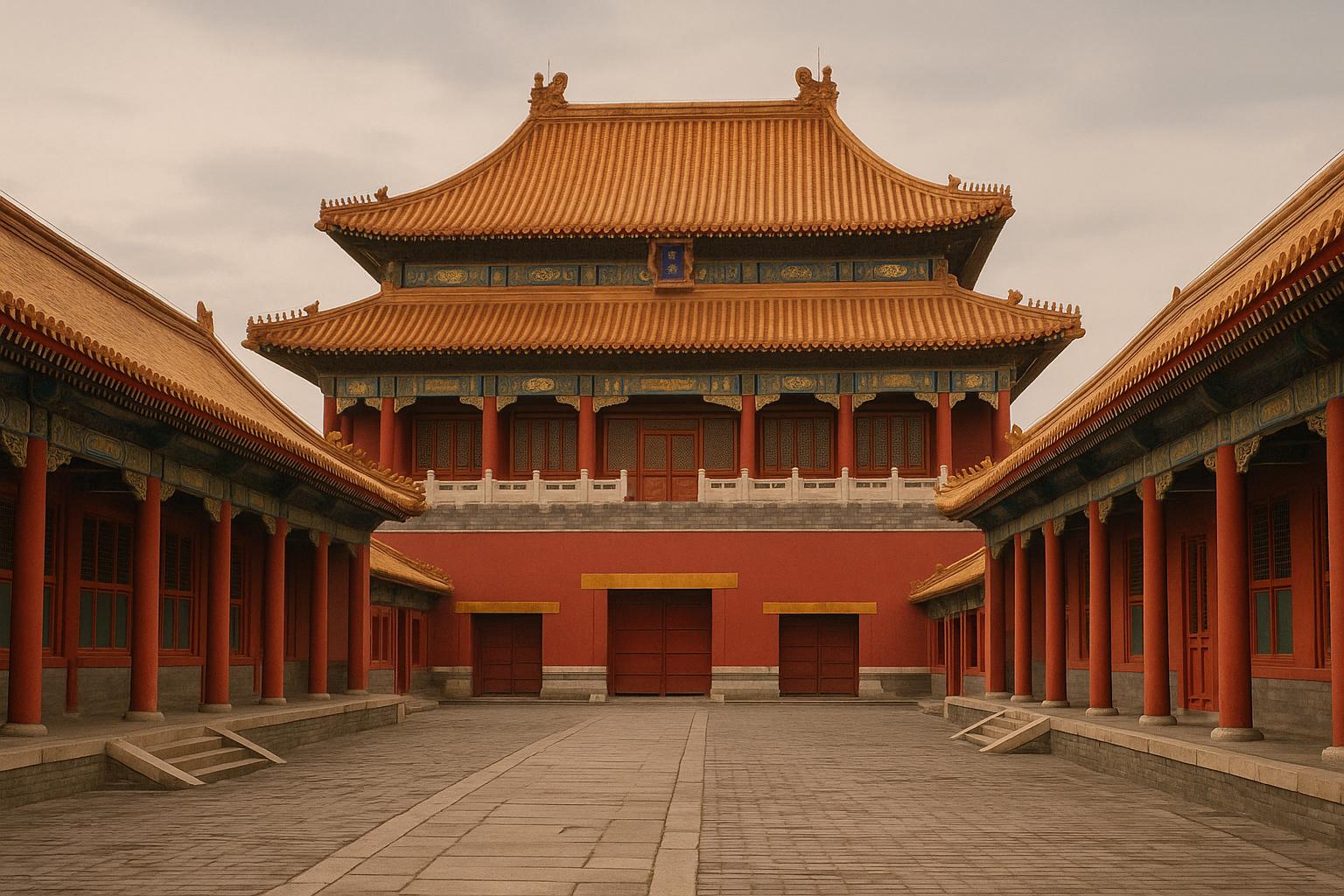
The architecture of residences within the Forbidden City employs specific features that hold symbolic meanings. For instance, the use of yellow roof tiles indicates imperial power since yellow was the exclusive color of the royal family. Red walls symbolize happiness, and the extensive use of dragons in decorative elements signifies imperial authority. These elements were deliberately selected to convey messages of power, prosperity, and divine support for the emperor.
Furthermore, the number of roof beams and the type of brackets (斗栱) used in a building can indicate the rank of the occupant, with more elaborately constructed residences being reserved for individuals of higher status. This architectural code ensured that the message of hierarchy was visible in everyday life.
Life Inside the Residences
Life within these residences was both opulent and restrictive. The size, layout, and decoration of each space adhered to the strict protocols of the court. The emperor’s day would typically begin early, often starting with receiving reports and submissions from court officials. The empress and consorts had ceremonial roles but also engaged in activities that sustained the cultural practices of the court.
Women of the court spent time in artistic pursuits like calligraphy, painting, and music. However, despite the beauty and luxury, the residences were also places of complex personal politics. Alliances were forged and broken within the walls of these buildings as individuals sought to increase their influence within the court.
The Interaction of Tradition and Power
Residences within the Forbidden City stand as testimonies to the interaction between tradition and power. Each element within the residences was an expression of the political ideology of the emperor, who considered himself the ‘son of heaven.’ This belief system was reflected architecturally in both the material and spatial arrangement of the city.
The practice of feng shui was deeply integrated into the design, aiming to harness positive energies to maintain harmony. The courtyards and open spaces within the residences were designed according to these principles, striving for a balance between human habitation and the natural environment.
Modern Interpretations and Conservation Efforts
In recent years, the Forbidden City has become a focal point for discussions on heritage conservation and the interpretation of traditional Chinese culture in a modern context. Conservation experts work carefully to maintain the structural integrity while ensuring the authenticity of the original designs and materials. These efforts help bridge the past and the present, allowing visitors from around the world to appreciate the richness of Chinese heritage.
Visitors today can explore these ancient residences and engage with interactive exhibits that offer a glimpse into the daily lives of the palace’s inhabitants. Modern technology, such as augmented reality, provides more profound insights into how these spaces were originally used.
The Forbidden City continues to be a symbol of China’s enduring cultural legacy, reflecting both the grandeur and the complexity of its imperial past. As scholars and tourists alike delve into its history, the residences within this vast complex remain as enduring witnesses to the rise and fall of dynasties, the power of tradition, and the ever-present pulse of human ambition and governance.