
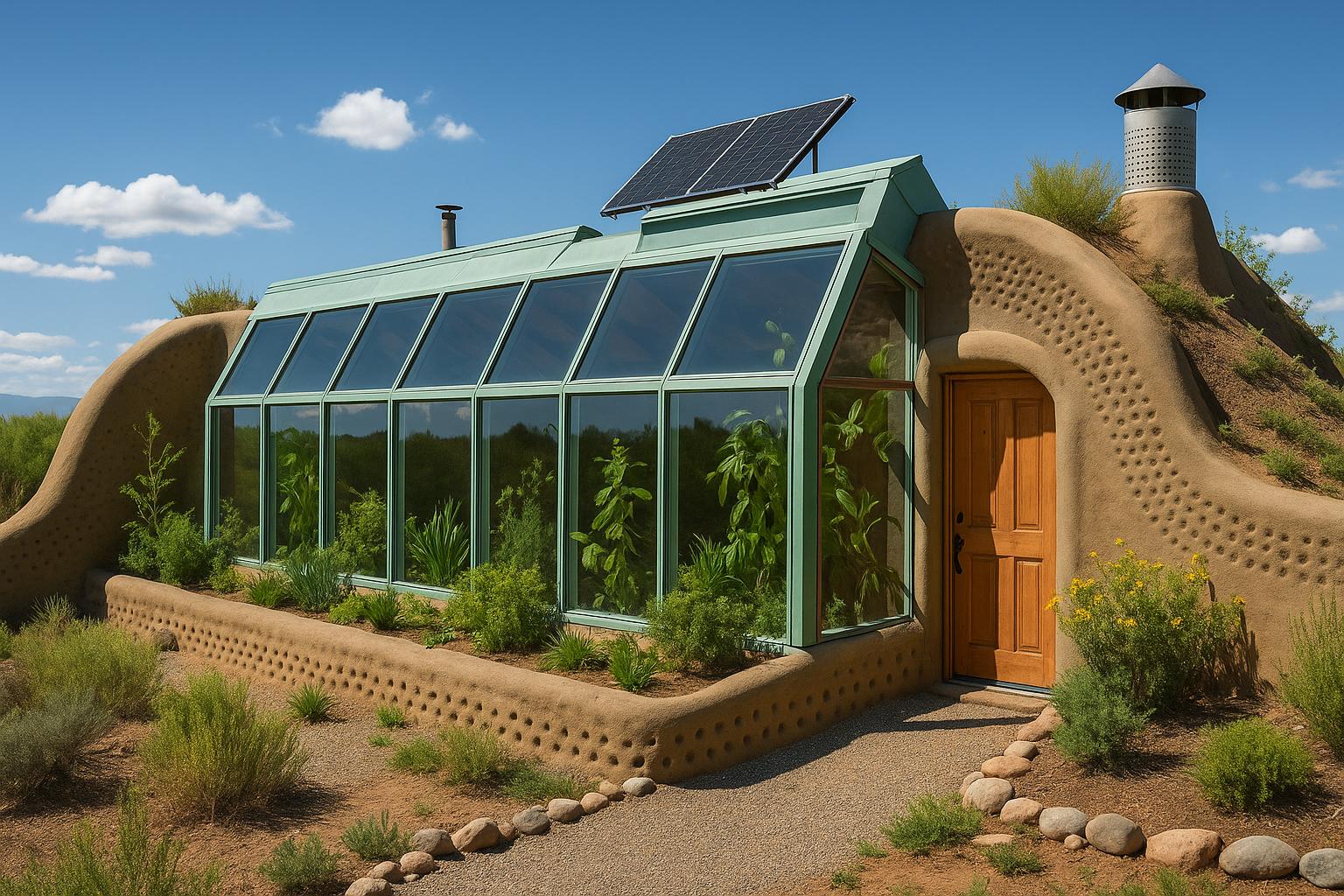
Understanding Earthship Homes
Earthship homes represent a pioneering approach in the domain of sustainable architecture, emerging as part of a broader movement towards eco-friendly and self-sufficient living. Conceived by architect Michael Reynolds in the 1970s, these homes distinctively capitalize on both natural and recycled materials, setting them apart as a viable alternative to conventional housing paradigms. Their design seamlessly integrates passive solar design principles, ensuring notable energy efficiency and minimizing reliance on traditional energy resources.
Key Components of Earthship Design
The design and functionality of Earthship homes are underpinned by several core principles that enhance their environmental compatibility and efficiency:
Use of Recycled Materials: Central to the Earthship ethos is the extensive use of recycled materials in construction. Primarily, old tires packed tightly with earth form the house’s structural walls, offering exceptional thermal mass and insulation. Additionally, discarded items such as glass bottles and aluminum cans are ingeniously integrated into the building’s aesthetic and functional framework, contributing to sustainability and reducing waste.
Thermal/Solar Heating and Cooling: One of the standout features of Earthship homes is their adept use of solar energy, both for heating and overarching temperature regulation. The architectural design incorporates large, strategically-positioned windows that capture sunlight to warm the interior during daylight hours. This natural heating method is complemented by the thick tire and earth walls, which insulate and stabilize internal temperatures irrespective of external climatic variations.
Water Harvesting and Recycling: Water management is a pivotal aspect of Earthship design. Roof structures are meticulously crafted to harvest rainwater, directing it into storage tanks for subsequent use. Furthermore, the system incorporates a filtration process ensuring the water is suitable for household purposes. In line with conservation principles, greywater from sinks and showers is repurposed to irrigate indoor plants, enhancing the symbiotic balance within the home through integrated indoor agriculture.
Renewable Energy Sources: Essential to Earthship functionality is the generation of electricity via renewable sources. Predominant among these are solar panels and wind turbines, which together reduce the household’s dependence on conventional power grids. This sustainable energy solution aligns with broader environmental goals, addressing energy needs efficiently and responsibly.
Benefits of Earthship Homes
Adopting the Earthship model confers numerous advantages, both to residents and the environment:
Environmental Impact: By prioritizing the use of recycled materials and incorporating systems that generate self-sufficient energy, Earthship homes significantly minimize their carbon footprint. Their construction and perpetual operation inherently support larger goals of environmental preservation and conservation.
Cost Efficiency: While the initial investment in Earthship construction may be higher, its long-term financial benefits are increasingly apparent. Through significant reductions in electricity, heating, cooling, and water expenses, homeowners experience a decrease in regular utility costs, making the homes economically sustainable in the long run.
Off-the-Grid Living: Earthship homes are characterized by their autonomy, functioning without reliance on municipal utilities. This independence makes them ideal for individuals or families seeking an off-grid lifestyle, allowing for a more self-reliant and environmentally mindful existence.
Challenges and Considerations
While Earthship homes offer numerous benefits, potential occupants must be mindful of certain challenges:
The compatibility of Earthship construction with conventional building codes can be a significant hurdle, often posing regulatory challenges. It becomes imperative for potential builders to thoroughly investigate local building regulations and secure the necessary permits and approvals to legally proceed with construction.
Another consideration is the initial cost and labor intensity associated with Earthship building, which can exceed those of traditional homes. Prospective homeowners are encouraged to weigh these upfront demands against the long-term economic and ecological benefits that Earthship living provides, ensuring an informed and balanced decision-making process.
Conclusion
In summary, Earthship homes embody a transformative and practical strategy moving towards enhanced sustainability and environmental responsibility. By artfully merging groundbreaking construction methodologies with green technologies, Earthships illustrate an independent and harmonious lifestyle coexisting with nature. Their growing adoption not only signifies a personal commitment to reducing individual environmental impact but also represents a collective movement towards a more sustainable future for the planet. This innovative housing model challenges traditional norms and propels society forward in its ongoing quest for ecological balance and resource conservation.