
Contents
The Architectural Significance of Schönbrunn Palace
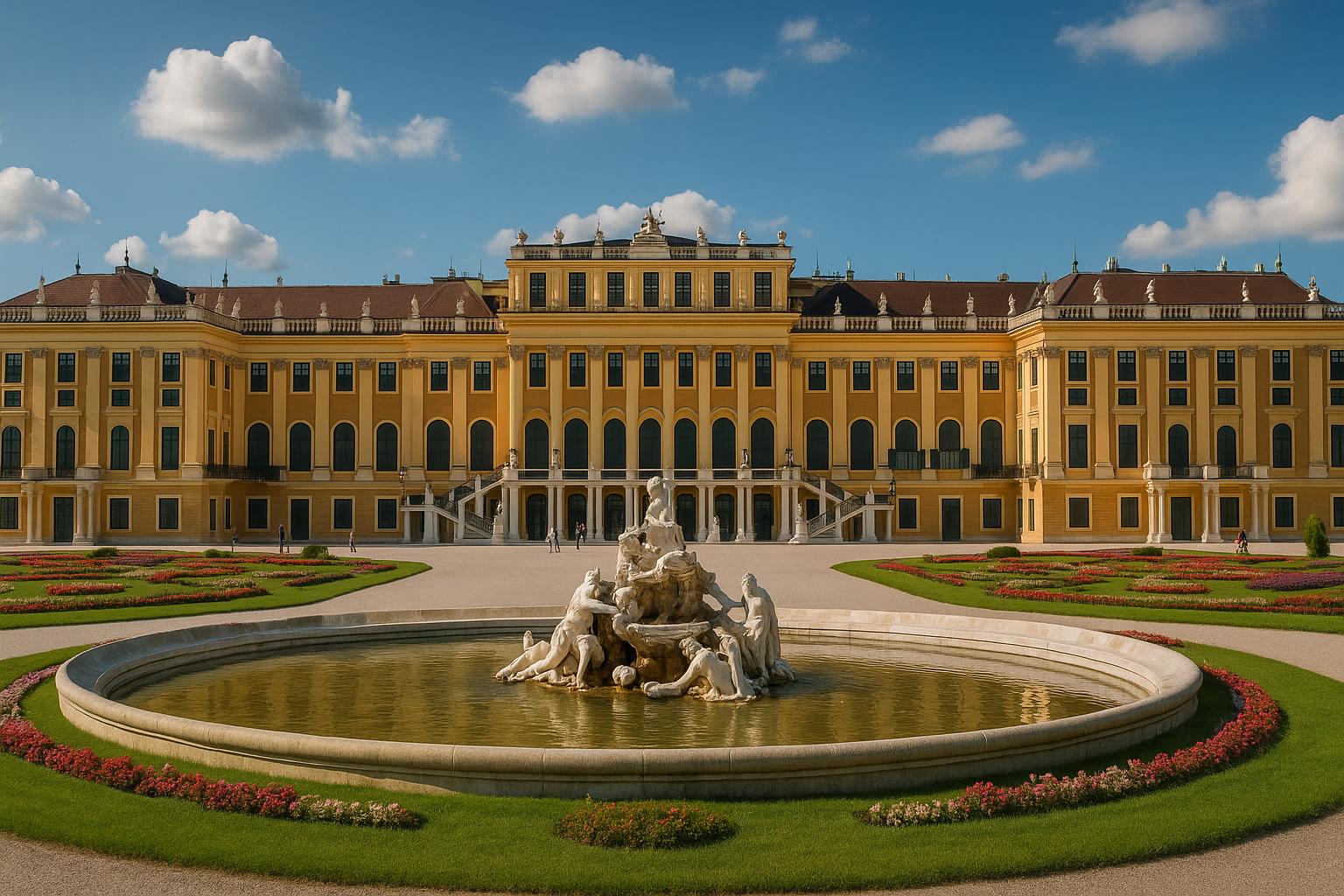
Schönbrunn Palace, situated in Vienna, Austria, is a remarkable embodiment of Baroque architecture. Its origins date back to 1696, meticulously crafted by architect Johann Bernhard Fischer von Erlach for Emperor Leopold I, with the initial intention of serving as a hunting lodge. Over the years, the palace has witnessed a plethora of expansions and renovations, mainly under the guidance of Empress Maria Theresa. This transformative journey over the centuries has solidified Schönbrunn Palace’s status as one of Austria’s most iconic and historically significant landmarks.
Features of the Palace
The architectural splendor of Schönbrunn Palace is evident in its detailed and sophisticated design. The palace comprises 1,441 rooms, each offering a unique glimpse into the lavishness and intricate detailing characteristic of the Baroque style. Among them, approximately 45 rooms are accessible to the public, inviting visitors to explore the rich history encapsulated within its walls. Among the standout features is the Great Gallery, which stretches 40 meters in length and is celebrated for its opulent ceiling frescoes. These frescoes serve as a visual testament to the historical and cultural opulence associated with the Habsburg monarchy. They offer an illustrative narrative that underscores the grandeur and influence of one of Europe’s most powerful dynasties.
The Palace Gardens and Grounds
The magnificence of Schönbrunn Palace extends beyond its interior to its enchanting gardens, which are an integral part of the estate’s allure. The gardens, designed in a formal Baroque style, span an impressive 1.2 square kilometers. This expansive area comprises meticulously maintained lawns and geometrically aligned flower beds, each contributing to the overall harmony and aesthetic appeal of the landscape. Central to the garden’s charm is the significant collection of sculptures that adorn various spots within the grounds. Among these artistic masterpieces, the Neptune Fountain holds a position of particular prominence. The fountain, with its mythological theme, serves as a focal point within the gardens, inviting visitors to ponder the rich tapestry of stories and legends it represents.
The Gloriette
Positioned atop a hill within the palace gardens, the Gloriette is an elegant architectural marvel that complements the grandeur of Schönbrunn Palace. Built in 1775, this structure originally served as a dining and festival hall, providing an exquisite setting for gatherings and celebrations. The Gloriette exemplifies classical architectural style, characterized by its harmonious proportions and decorative elements. Today, the Gloriette continues to captivate visitors with its panoramic views of Vienna, offering a vantage point from which to appreciate the expansive beauty of both the palace grounds and the city beyond. For those who wish to further enhance their experience, the terrace atop the Gloriette is accessible, offering breathtaking vistas that leave a lasting impression.
Historical Importance and Modern Recognition
Schönbrunn Palace is not only a landmark of architectural and aesthetic significance but also a site of profound historical importance. The palace has been the backdrop for numerous significant historical events, most notably the Congress of Vienna held in 1814-1815, a pivotal conference that redrew the map of Europe following the Napoleonic Wars. This historical context adds layers of intrigue to the palace’s already rich narrative, as visitors can tread the same paths as some of Europe’s most influential historical figures. In recognition of its cultural and historical significance, Schönbrunn Palace has been designated as a UNESCO World Heritage Site. This prestigious status underscores the global appreciation for the palace’s contributions to history, art, and architecture.
The synthesis of these elements—history, architecture, and art—renders Schönbrunn Palace an essential destination for visitors exploring Vienna. It offers a comprehensive insight into the splendor of Austria’s imperial past. For those keen on delving deeper into the palace’s offerings, including tours and events, further information can be found by visiting the official Schönbrunn Palace website.