
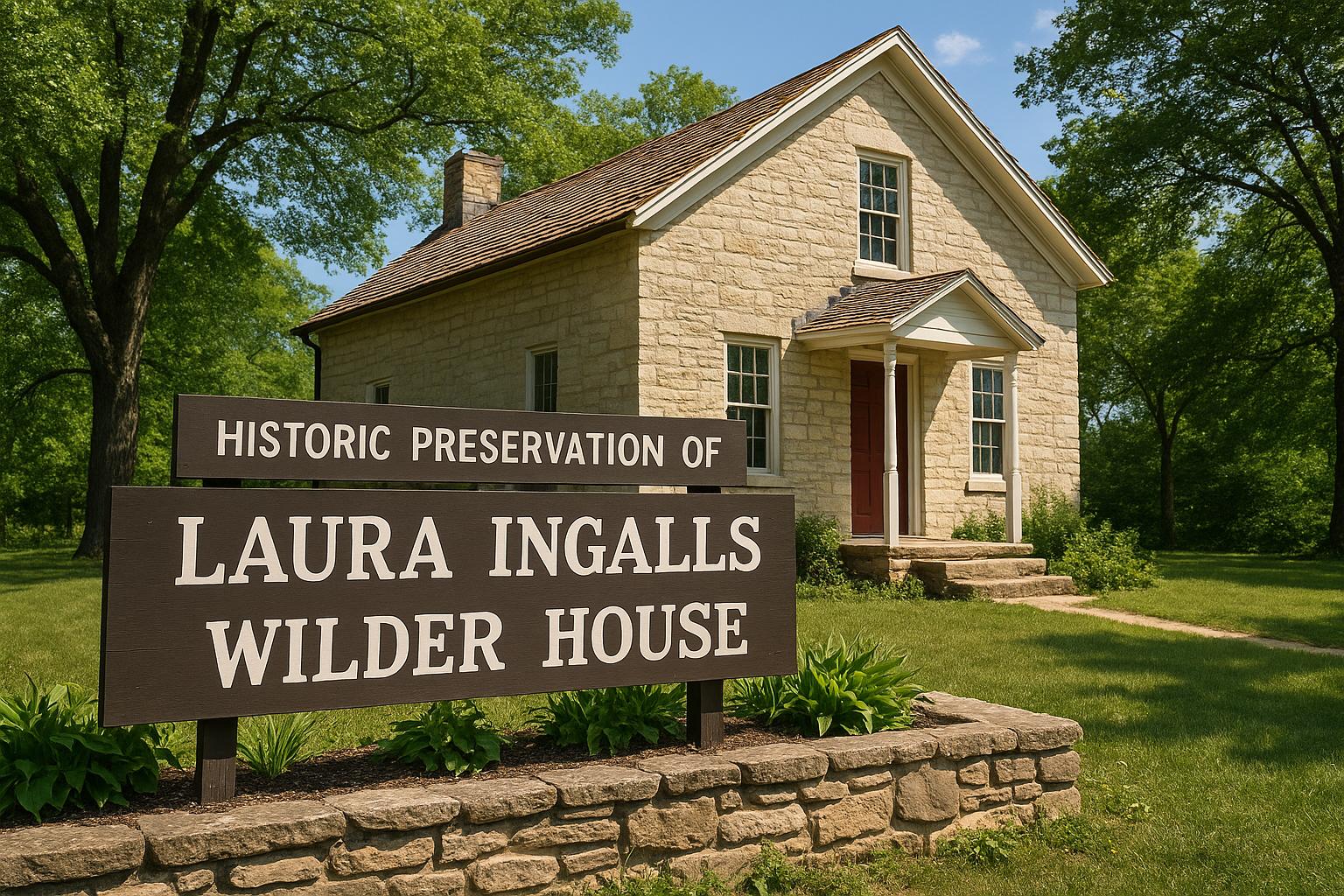
The Historic Preservation of the Laura Ingalls Wilder House
The Laura Ingalls Wilder House, located in Mansfield, Missouri, stands as a profound tribute to the cultural and literary contributions of Laura Ingalls Wilder. This historical landmark, known as Rocky Ridge Farm, was the cherished home of Wilder, the celebrated author of the “Little House” series. It encapsulates the essence of pioneering life during the transition from the 19th to the 20th century in America.
Background and Historical Significance
Laura Ingalls Wilder and her husband, Almanzo Wilder, made the strategic decision to purchase Rocky Ridge Farm in 1894. It is within this serene environment, surrounded by rolling farmland, that Laura penned her recollections of childhood, laying the foundation for the enduring “Little House” series. These books are renowned for their detailed portrayal of life on the American frontier and continue to educate readers around the globe about the challenges and resilience of the homesteading era.
The significance of the Laura Ingalls Wilder House extends beyond its literary association. It embodies the spirit of American perseverance and adaptability, offering insights into the daily lives of pioneers who shaped the country’s rural landscape. This house provides a rare window into the past, demonstrating how the Wilder family navigated the rigors of farm life and contributed to their community.
Preservation Efforts
Preserving the Laura Ingalls Wilder House and its encompassing land has been a long-standing mission. The Laura Ingalls Wilder Home Association, a dedicated non-profit organization, plays a crucial role in maintaining the authenticity and historical value of the property. Their meticulous work ensures that the homestead remains a genuine depiction of the era when Laura documented her formative experiences.
Preservation efforts include regular maintenance and restoration projects designed to uphold the historical essence of the Laura Ingalls Wilder House. The Association’s dedication to safeguarding this site involves a combination of historical accuracy and community engagement, ensuring that the farmhouse remains a living history lesson.
Restoration and Maintenance
The process of restoring and maintaining the Laura Ingalls Wilder House necessitates a detailed commitment to historical fidelity. Specialists in historical architecture are enlisted to ensure that any restoration work aligns closely with the original construction. This dedication includes the use of materials and techniques consistent with those employed during the house’s original building period, thus maintaining the structural and aesthetic authenticity of the property.
Restoration projects focus on both the exterior and interior of the house, ensuring that visitors can experience the environment much like Laura and her family did. Each restoration endeavor is an opportunity to delve deeper into the historical context of the residence, preserving not just the physical structure but also the intangible heritage it represents.
Museum and Educational Role
Beyond serving as a preserved historical site, the Laura Ingalls Wilder House operates as a vibrant museum. This museum offers an intimate glimpse into the life and legacy of Laura Ingalls Wilder and her family. The curated collection within the museum includes an array of historical artifacts such as original manuscripts, vintage photographs, and personal items belonging to the Wilder family. These exhibits provide a tangible connection to the past, offering insights into the lifestyle and tribulations faced by pioneers in America.
The educational role of the Laura Ingalls Wilder House is equally important, as it hosts programs and guided tours that shed light on both the literary significance and the historical context of Laura’s life and work. By engaging audiences of all ages, from young readers to seasoned historians, the museum fosters a greater understanding and appreciation of the reality that inspired the beloved “Little House” series.
Community Involvement and Support
The ongoing preservation of the Laura Ingalls Wilder House is bolstered significantly by local communities and ardent fans worldwide. Volunteers, fundraisers, and community gatherings are pivotal to generating the support and resources required for the maintenance of this historic landmark. These community-driven initiatives play a critical role in ensuring the site’s continued existence and its availability to educate and inspire future generations.
The involvement of the community not only sustains the preservation efforts but also enhances the visitor experience by sharing personal stories and connections to Wilder’s legacy. For individuals eager to contribute to these initiatives or seeking more information, the official website of the Laura Ingalls Wilder Home Association offers a wealth of resources and updates on current and future projects.
In essence, the Laura Ingalls Wilder House is more than a relic of the past; it is an active participant in the cultural and educational dialogue about American history. Its preservation is a community endeavor that reflects the enduring impact of Wilder’s stories and the pioneering spirit they embody.