
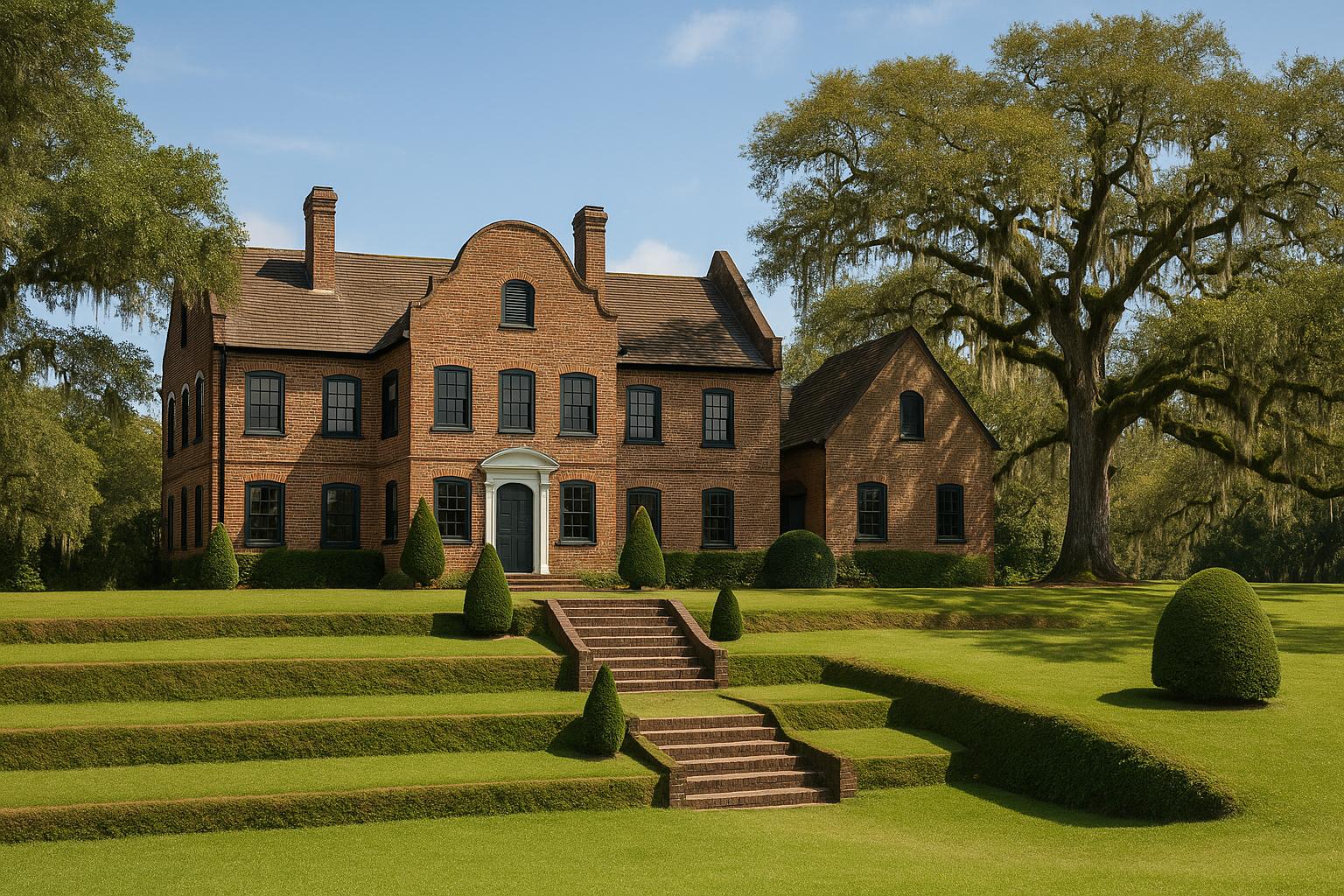
The Colonial Elegance of Middleton Place in Charleston
Middleton Place, located near Charleston, South Carolina, is a remarkable example of American colonial architecture and landscape design. This historical plantation offers an insightful glimpse into the sophisticated lifestyle of the 18th-century Southern elite. It is an essential site for understanding the heritage and history of the region. More information about visiting can be found on the official Middleton Place website.
Historical Background
Established in the late 17th century, Middleton Place was the home of the influential Middleton family for over three centuries. The estate is named after Henry Middleton, who played a significant role in pre-Revolutionary America as the President of the First Continental Congress. The house and gardens have faced numerous challenges over the years, including damage during the American Civil War and natural disasters, yet today they remain a testament to its historical resilience.
Understanding the historical importance of Middleton Place involves delving into the rich tapestry of the South’s colonial and antebellum history. As part of an enduring legacy, Henry Middleton’s influence extended beyond architecture and gardens; he and his descendants were actively involved in the political and social spheres of their time. Through their contributions, the estate became a focal point of socio-political activities during and after the colonial period.
The Architecture
The main house at Middleton Place, originally built in the Georgian style, is an excellent representation of colonial architecture. Though portions of the original house were destroyed, the remaining structures still offer a vivid representation of 18th-century design. The House Museum, which is open to the public, displays original furniture and artifacts, giving visitors a deeper understanding of the period’s domestic life. The style reflects the prevalent trends of the time, marked by symmetry and classic proportions.
One can appreciate the elegance and purpose of Georgian design through the symmetry found in the building’s layout, characterized by proportional windows and brickwork that evokes a sense of balance and harmony. The interiors, now part of the House Museum, capture the essence of colonial life, showcasing carefully preserved artifacts that narrate stories of the past inhabitants’ daily lives and roles within society.
The Gardens
Middleton Place is renowned for its meticulously designed gardens, which are considered the oldest landscaped gardens in America. The gardens were planned using the principles of 17th-century European design, emphasizing geometric patterns and symmetry. They feature a range of plant species that bloom throughout the year, offering a dynamic display of colors and forms. Notably, the Butterfly Lakes, which mimic the shape of butterfly wings, are a prime example of the artistic vision behind the garden’s creation.
Key Features of the Gardens
Venture deeper into Middleton Place, and one will discover a variety of garden features that reflect the historical and aesthetic values of the era. The gardens provide an opportunity to explore living artifacts where nature and art coexist harmoniously.
The gardens showcase several noteworthy elements:
- The Azalea Hillside, which provides a vibrant array of azalea blooms in spring.
- The Reflection Pool, known for its serene and contemplative atmosphere.
- The Camellia Collection, one of the oldest in the country, offering an array of blooms during the winter months.
In exploring these features, visitors engage with the historical landscape much like the original gardeners of the 18th century might have, maintaining a connection to the vision that guided the plantation’s design. The artistic layout of the gardens, with its intricate pathways and water features, fosters a unique engagement with the environment that is both educational and aesthetically pleasing.
Preservation and Education
Middleton Place operates as a non-profit educational foundation aimed at preserving the estate’s historical and cultural integrity. Through its ongoing preservation efforts, the foundation offers educational programs and tours, allowing visitors to explore the history of the American South. The site provides a dynamic learning environment where history, horticulture, and nature intersect.
Through various workshops and events, the foundation seeks to educate future generations on the importance of preservation and heritage. The programs are designed to reach diverse audiences, from school groups learning about the plantation system and its socio-economic impact, to avid gardeners seeking inspiration from historic landscape techniques.
Additionally, the estate’s commitment to education extends beyond its historical focus. Middleton Place serves as a living laboratory where lessons in sustainable farming practices and biodiversity are integrated into the broader historical narrative, enriching the visitor experience by drawing connections between past and present agricultural and ecological practices.
Conclusion
Middleton Place stands as a significant cultural and historical landmark, offering an authentic experience of colonial elegance amidst its lush gardens and storied past. It remains a valuable resource for historians, horticulturists, and those interested in understanding the complex narratives of American history.
Each element of Middleton Place, from the architecture to the meticulously curated gardens, contributes to a profound narrative about the American South during its formative years. As visitors wander through the estate, they gain insights not only into the lives of the Middletons but also into the broader societal transformations of their times. This historic plantation serves as a beacon of education and preservation that continues to inform and inspire future generations. Through the collective efforts in preserving this historical site, Middleton Place offers a nuanced perspective that respects the past while simultaneously engaging with the present-day issues of conservation and historical scholarship.