
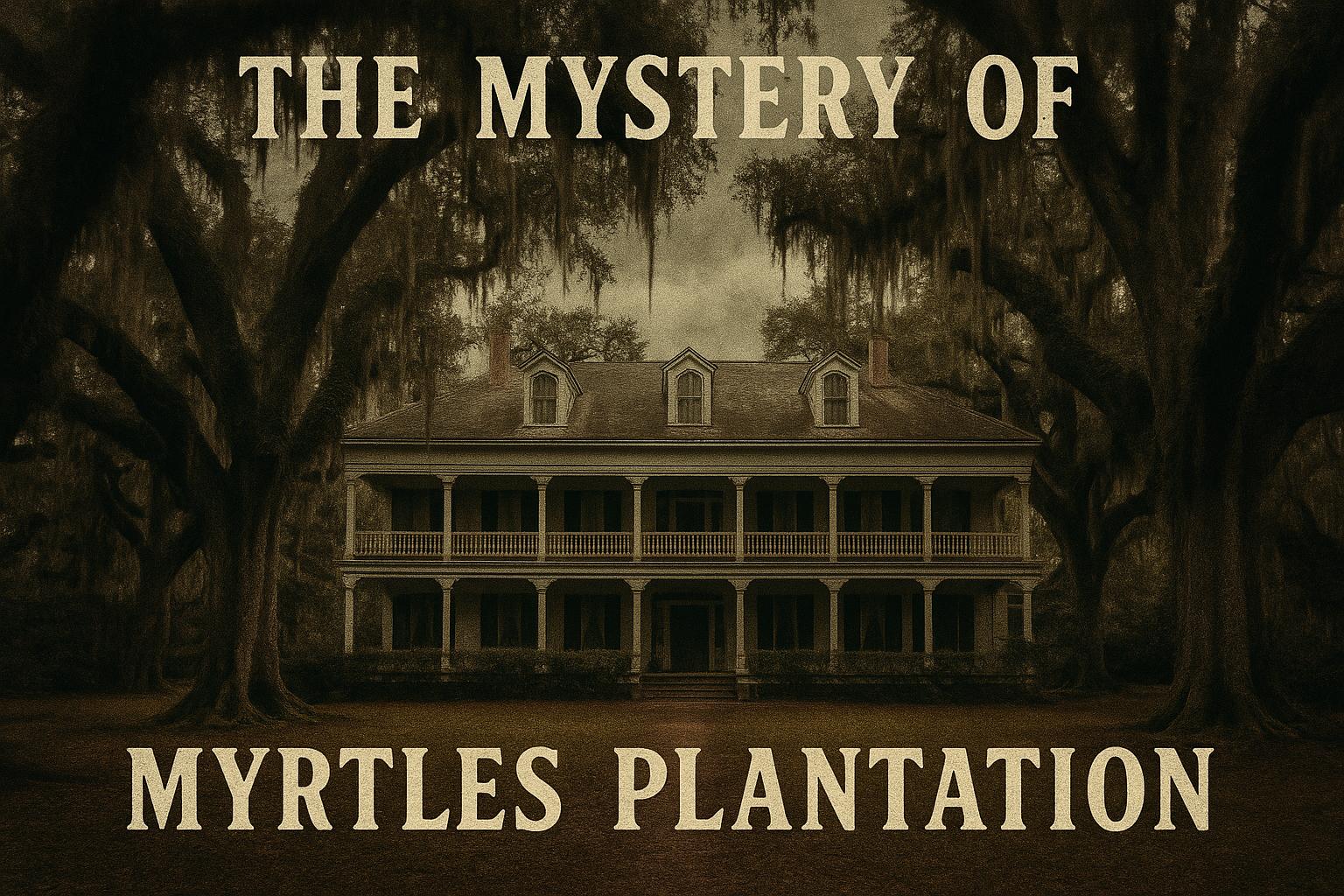
The Intriguing History of the Myrtles Plantation
The Myrtles Plantation, located in St. Francisville, Louisiana, is often regarded as one of the most haunted homes in America. It is surrounded by numerous legends and ghost stories, which continue to intrigue visitors from around the world. In this article, we will explore the historical background of the plantation and some of the notable stories associated with it.
The Origins of the Plantation
The Myrtles Plantation was built in 1796 by General David Bradford, a figure notable for his involvement in the Whiskey Rebellion. This conflict was a tax protest in the United States beginning in 1791, during the presidency of George Washington. Bradford, a key leader in the rebellion, eventually fled to avoid prosecution, leading him to establish Laurel Grove, which later became known as the Myrtles Plantation. After his death, the plantation saw several ownership changes, each contributing to the property’s intriguing history.
As Bradford’s descendants took over, changes and expansions were inevitable. In particular, the Stirling family, into whose hands the plantation eventually came, significantly renovated and expanded the property. The family preserved much of the original architecture while introducing elements that would epitomize the grandeur of southern plantation mansions during the 19th century.
Architectural Significance
The architecture of Myrtles Plantation is a prime example of the antebellum style, noted for its grandeur and elegance. Key features include hand-painted stained glass, with each pane meticulously crafted to reflect the craftsmanship of the era. The ornate plasterwork adorning the ceilings and walls showcases intricate designs and artistic mastery. Additionally, the plantation houses exquisite French furnishings, a testament to the influence of European styles on American architecture during this period.
The plantation comprises 22 rooms, spread over two floors. These rooms echo the wealth and status of their historical occupants, exhibiting luxurious tastes in interior decoration. The opulence does not merely extend to the visible decor but also to the spatial organization of the house, which prioritizes both aesthetics and functional grandeur. Its elegant construction and preservation continue to attract many tourists each year, serving as a tangible link to the past.
Renowned Ghost Stories
Over the years, the Myrtles Plantation has become a hotspot for ghost hunters and those interested in the supernatural due to the numerous stories told about its otherworldly residents. One of the most infamous tales is that of Chloe, a slave whose story encapsulates themes of tragedy and retribution. According to legend, Chloe was caught eavesdropping on her masters and, fearing punishment, allegedly sought revenge by poisoning a birthday cake, resulting in the death of two young girls. Her punishment was swift and severe, as Chloe was said to have been hanged by fellow slaves and her body cast into the waters of the Mississippi River. Her specter, as the stories go, still wanders the plantation, her presence felt by visitors who claim to have seen her apparition.
Another ghostly legend surrounds a mysterious mirror within the plantation home. This mirror reportedly holds the spirits of those who died on the property. Visitors and staff alike have claimed to witness uncanny reflections in its frame, showing the images of children and other distant figures hovering just out of direct sight. The mirror is rumored to capture these lost souls endlessly, a cynosure for those captivated by ghostly tales.
Contemporary Hauntings
In modern times, the Myrtles Plantation continues to captivate the imaginations of ghost enthusiasts and thrill-seekers. Its reputation as a haunted locale has only grown, bolstered by frequent reports of unexplainable phenomena. Visitors often recount experiences of cold spots—unexplained drops in temperature that are commonly associated with ghostly presences in paranormal circles. Similarly, disembodied footsteps echoing through the halls when no one is present add to the chilling atmosphere of the estate.
Mysterious sounds emanating from the house, ranging from soft whispers to loud bangs, have also been documented by visitors and staff. Adding to the lore are numerous photographs purported to contain ghostly apparitions. These images, capturing shadows or inexplicable shapes, serve to intrigue and invite skepticism in equal measure. The ongoing reports reinforce the plantation’s standing as a premier venue for those drawn to unearthly mysteries and spectral studies.
Visiting the Myrtles Plantation
Today, the historic allure of the Myrtles Plantation persists not only through its architecture and storied past but also through its role as a bed and breakfast. This offers an immersive experience for those eager to engage with both its rich history and paranormal reputation. The plantation regularly conducts tours and offers accommodations, allowing visitors a firsthand look into its intriguing layers of history and hauntings.
While skepticism about the supernatural is common, the plantation maintains a place of cultural and historical significance, intertwining tales of tragedy, beauty, and the enigmatic. For historians, architecture aficionados, and ghost hunters alike, the Myrtles Plantation offers a unique slice of American heritage—a place where the past is ever-present, each corner and shadow whispering tales of old. Whether believers or skeptics, those who visit can step into a realm where history and legend coalesce, creating an unforgettable sojourn into the mystique of southern folklore.