
The Architectural Marvel of the Royal Pavilion
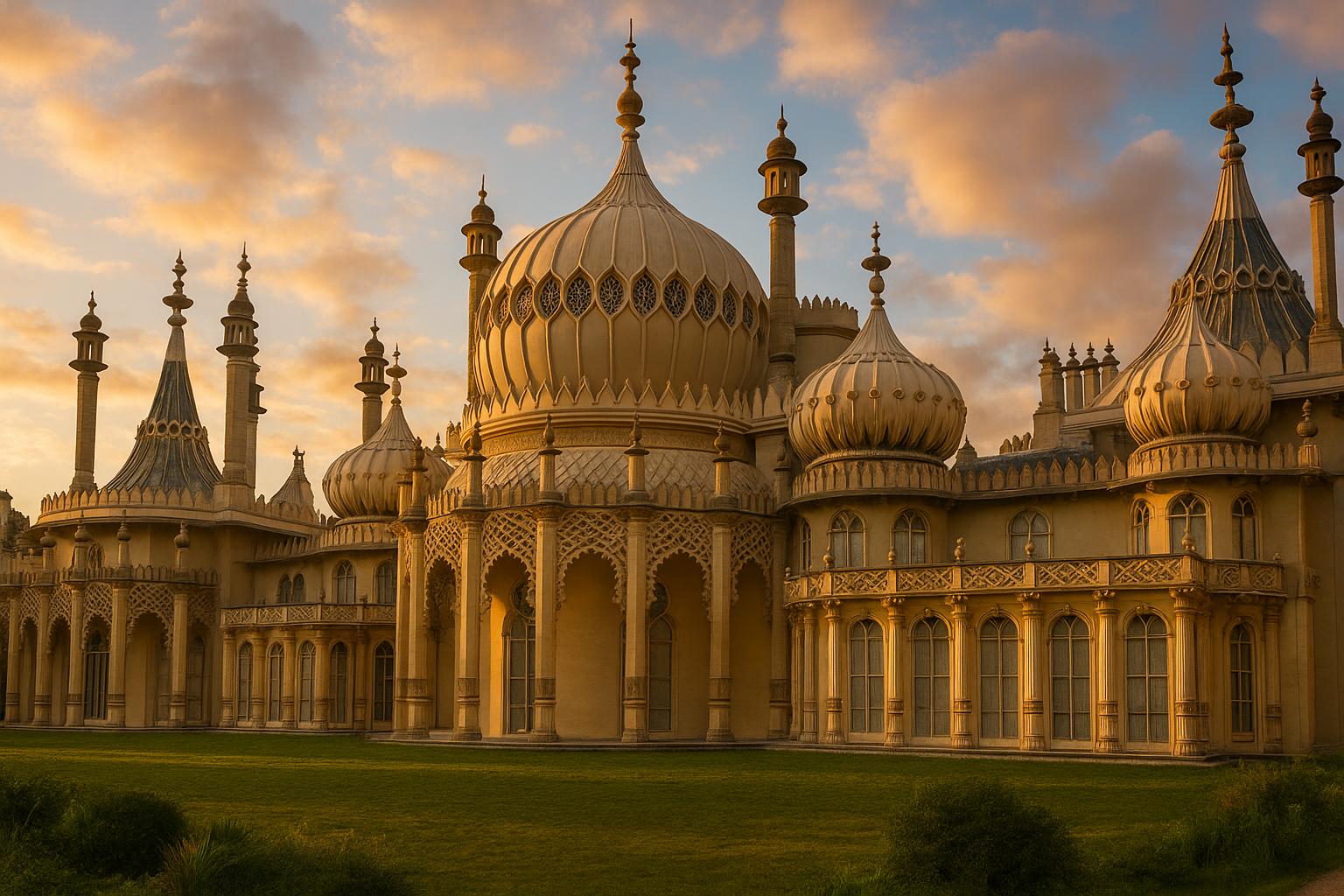
The Royal Pavilion in Brighton stands as a testament to opulent architectural design and historical significance. Designed by the renowned architect John Nash, the pavilion reflects a unique blend of Indian and Chinese influences, a style known as Indo-Saracenic. Originally built as a modest seaside retreat for King George IV when he was Prince of Wales, the pavilion underwent significant transformations to become the extravagant palace it is today.
The Exterior Grandeur
The exterior of the Royal Pavilion is characterized by its distinctive domes and minarets, reminiscent of Indian architectural styles. This exotic appearance sets it apart from other structures in Britain, signifying the eclectic taste of the era. The building is constructed using a framework of cast iron, allowing for intricate detailing and the support of elaborate decorative elements.
Notably, the use of cast iron not only supported the structural needs of the building but also allowed Nash to experiment with the lavish embellishments that have come to define the Pavilion’s aesthetic. The rooftops dotted with ornate finials and the juxtaposition of different shapes create a mesmerizing silhouette against the skyline of Brighton. These architectural choices reflect a broader European fascination with the Orient, entwining two disparate cultures into one harmonious design.
The Lavish Interiors
The interior of the Royal Pavilion is equally impressive, featuring a fusion of Chinese and Indian styles. The opulence is most evident in the Banqueting Room, where large chandeliers, intricate murals, and lavish furniture create a spectacle. The furniture, designed to evoke an international feel, is draped with luxurious fabrics and intricate designs. This is not just a room; it is an experience that encapsulates the image of royal indulgence.
The Music Room, with its remarkable acoustics and vibrant decor, further emphasizes the luxurious taste of its royal patron. The walls and ceilings are adorned with faux bamboo and painted with scenes depicting Chinese landscapes, providing a visual feast for visitors. The room was not merely an entertainment space but a statement of cultural fusion, bringing together diverse artistic elements that were celebrated during George IV’s era.
The Influence of George IV
George IV’s affection for extravagant design played a significant role in the pavilion’s development. His influence is evident in the choice of materials, from the dazzling chandeliers to the silk wallpaper that adorns the walls. His vision was brought to life by the collaborative efforts of skilled craftsmen and notable artists of the period. Every corner of the Pavilion speaks of his fascination with world cultures, and his desire to envision a retreat that was both extravagant and mysterious.
George IV was known for his extensive art collection and his lavish way of life. The Pavilion served not only as a weekend getaway but as a place to showcase his collection and entertain his elite circle of friends with opulent parties and gatherings. The rooms were designed to astonish guests, with every detail meticulously curated to reflect magnificence and grandeur.
The Pavilion’s Historical Journey
Over the years, the Royal Pavilion has served various purposes, from a royal residence to a civic building. Its journey through time reflects its adaptive utility and historical resonance. During World War I, it was repurposed as a hospital for Indian soldiers, linking it to colonial history. This period marked an important chapter in the Pavilion’s history, representing cultural intersections and the complexities of the British Empire.
Currently, it operates as a museum, offering visitors a glimpse into regal life and architectural innovation. Visitors today can explore the rooms that once held royal gatherings, study the intricate architectural designs that combine Eastern and Western influences, and appreciate the artistry of a bygone era. Through exhibitions and events, the Pavilion tells the stories of its past inhabitants, its transformation over time, and its enduring legacy.
The Pavilion has not only survived for its historical role but has become a cultural symbol for the city of Brighton and for architectural connoisseurs. The preservation and restoration efforts highlight its importance as a monument of artistic and historical value. Today, it is a center for cultural exchange, hosting a variety of events and exhibitions that draw visitors from around the globe.
Each year, many visit the Pavilion, not only to view the grandeur of its design but to understand the broader historical context that it represents. As a museum, it offers a comprehensive look at the early 19th-century trends in architecture and design, as well as the social and cultural influences that shaped the lifestyle of the era.
The Royal Pavilion stands not just as a relic of the past, but as an ongoing narrative of cultural and architectural exploration. It continues to inspire contemporary designers and historians, preserving the legacy of an age that viewed architecture as an artform of extravagance, complexity, and global connectivity. In every corner and curve of this unique building, the vision of George IV and John Nash endures, inviting us to engage with history through the lens of architectural beauty.
For more detailed information about visiting the Royal Pavilion, you can check the official Royal Pavilion website.